
 Product
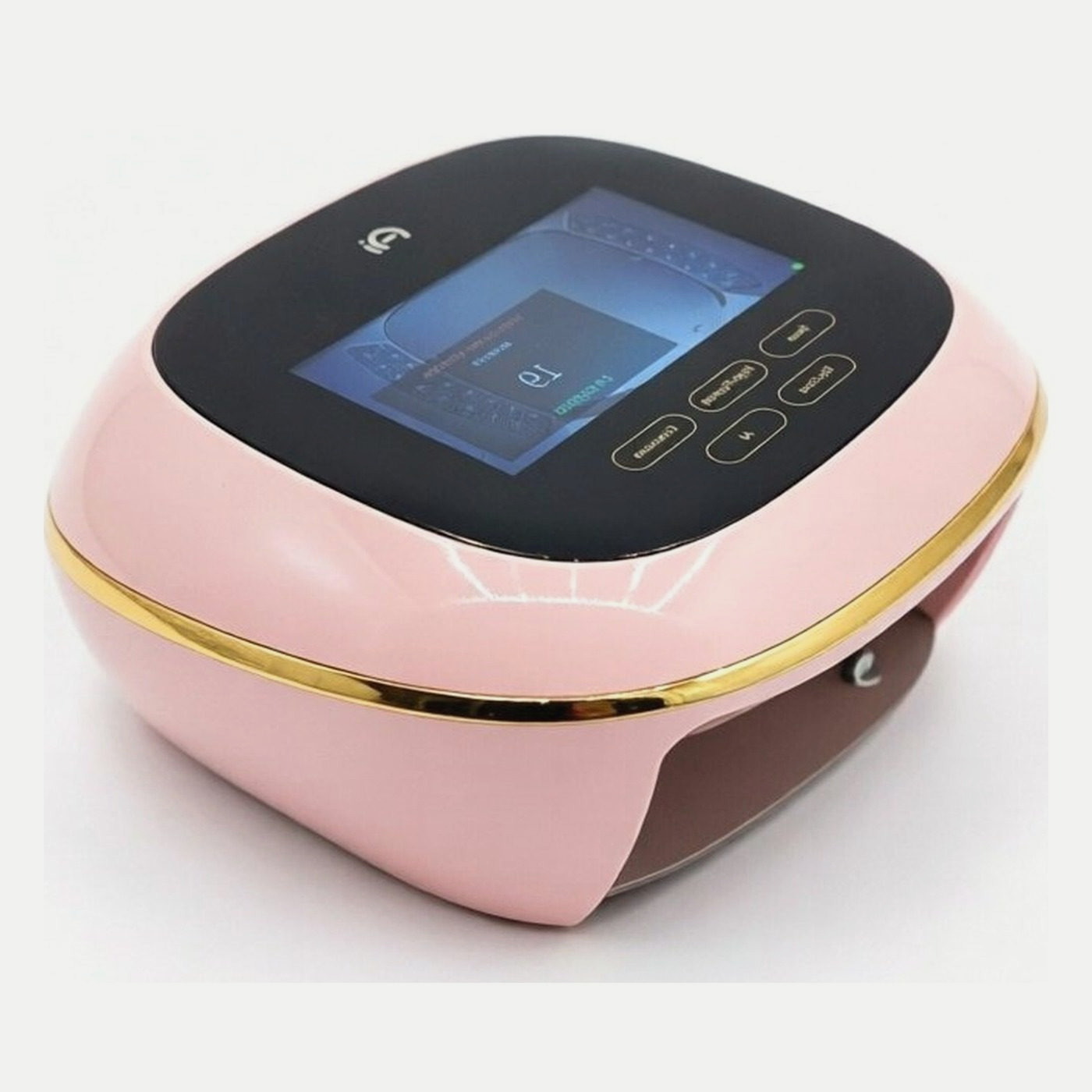
AI Smart Nail Lamp V2 — Specifications and OEM Terms
Full specifications, wavelength bands, modes and private-label ordering details for the camera-guided lamp.
View pageA camera-guided lamp looks like a conventional UV/LED unit from the outside. The difference is entirely inside: a vision system and an on-device processor decide where the light goes before the LEDs switch on. This is a plain explanation of the chain, from the hand entering the opening to the maintenance alert at the end.
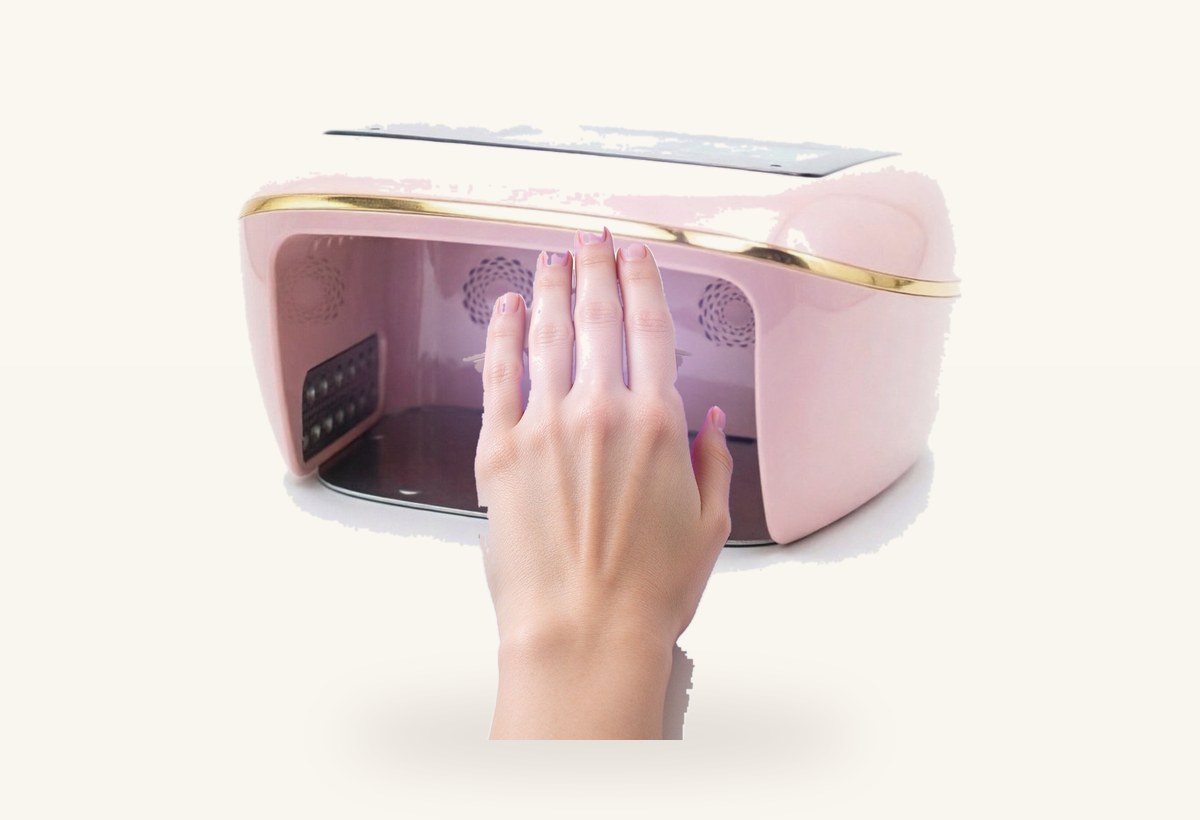
An AI nail lamp adds a camera and an on-device processor to a standard UV/LED lamp. The camera reads the hand as it enters, the processor locates the nails, and the controller activates only the matching LED zones, then ramps output and flags light decay. The curing technology is unchanged; the intelligence is in how the light is directed.
The word is easy to overstate. In this context it does not mean the lamp is connected to a cloud brain or that it invents curing recipes. It means a closed control loop runs inside the unit: an image is captured, processed locally, and used to drive the same LEDs a conventional lamp would simply switch on in full.
On the BeauTome V2 that loop is handled by an embedded Linux system with a 1.2 GHz CPU and 128 MB RAM, backed by a dedicated 0.5 TOPS neural processing unit. The processing stays on the device, so the lamp does not depend on an internet connection to run a cure. Wi-Fi is present for configuration and interface tasks, not for the basic curing decision.
Three components do the work, and each has a narrow job.
The camera is a 2MP, 1080P unit aimed down into the cavity. When a hand enters the 24 cm opening it captures a frame and passes it to the processor. The listed detection figure is 0.2 seconds, which is a detection specification subject to operating conditions — it is not a curing time.
The neural processor runs hand and nail detection against the frame. It locates the nail contours and maps their positions to the physical LED layout. The 0.5 TOPS NPU exists specifically so this detection runs quickly enough to feel instant without needing to send the image anywhere.
The controller and LEDs execute the result. The unit carries 136 dual-wavelength LEDs in front and side arrays across two bands, 365–370 nm and 395–400 nm. Instead of firing every emitter for the whole cycle, the controller enables the active zones that correspond to the detected nails and shapes the output over time.
It helps to walk through a real service, because the sequence is where the design logic is visible.
1. Hand entry and capture. The client places the hand palm-down through the opening. The wide opening is sized so an adult five-finger hand fits without repositioning, and the removable tray keeps the base clean. The camera captures the hand as it settles.
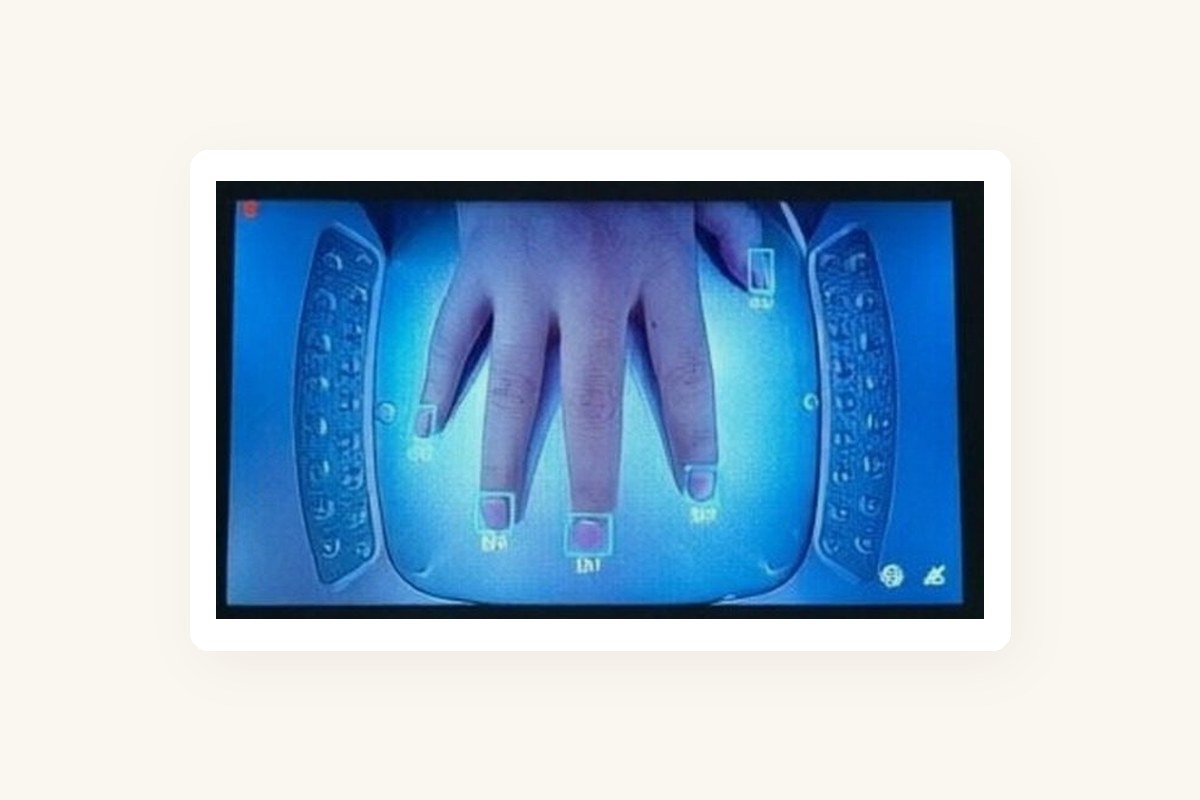
2. Detection and mapping. The NPU identifies the nail contours in the frame and maps them onto the LED zones. The 5.5-inch touchscreen can show this view directly, with the recognised nails marked and the LED arrays visible on either side.
3. Zone activation. The controller switches on the matching LED zones rather than the entire array. The front and side placement means light reaches the nail from more than one angle, which matters at the edges and on curved nails.
4. Progressive delivery. Output ramps during the cycle instead of holding one fixed level. The aim is to manage heat build-up on long extension and high-pigment sets. It is a heat-management feature, not a guarantee of a pain-free cure.
5. Output monitoring. Internal light-output monitoring runs while the lamp is in use. When emitter output crosses the configured decay threshold the lamp raises a maintenance alert, so a weakening unit is flagged rather than discovered through an under-cure.
The practical benefits are operational rather than dramatic. In a busy salon, a defined, repeatable output behaviour is easier to standardise across technicians than a lamp everyone runs by habit. The 29-language touchscreen reduces friction in multi-language teams and when training new staff, because the same interface and detection view appear for everyone.
For mobile technicians, the optional 6000 mAh battery removes the need for a nearby socket while keeping the same control loop. For brands and distributors, the interface, shell colour, ring plating and packaging can be specified under a private label, with a minimum order of 500 units.
This is the part worth stating plainly. Camera guidance does not establish gel compatibility. Cure quality still depends on the gel formula, the thickness of each layer and the application technique, and every product should be validated with a proper curing test before it is adopted in a service.
Nor does the lamp replace the technician. Nail preparation, product choice, layering and checking the finished cure remain professional judgments. The unit automates where and how the light is delivered; it does not remove the decisions around it. Treating it as a consistent, well-instrumented light source — rather than a replacement for skill — is the correct way to specify one.
The lamp did not change the light that cures gel. It added a system that decides, in a fraction of a second, exactly where that light should go.
ProductFull specifications, wavelength bands, modes and private-label ordering details for the camera-guided lamp.
View page 5 min
A B2B guide to camera-guided recognition, targeted illumination, sample testing and compliance documentation.
Read article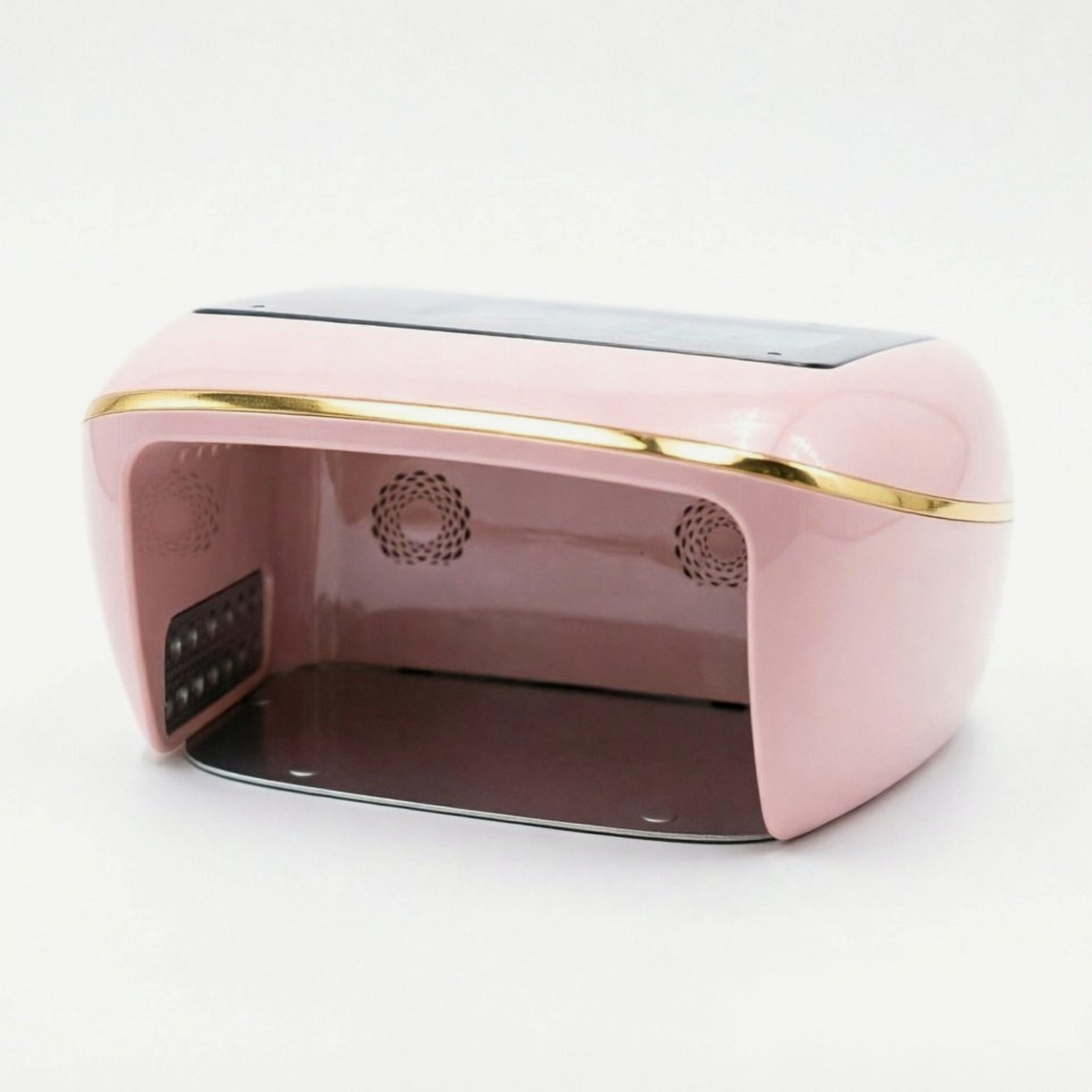 3 min
Compare the architecture, cost structure and where the added value actually appears.
Read articleSend your question with the product, market and quantity you have in mind. Answers come from the people who specify and produce the goods, not from a script.