We produce waxing formulations and beauty devices under your brand, with the specification, packaging and documentation agreed in writing before production. OEM for existing models; ODM where the product itself needs developing.
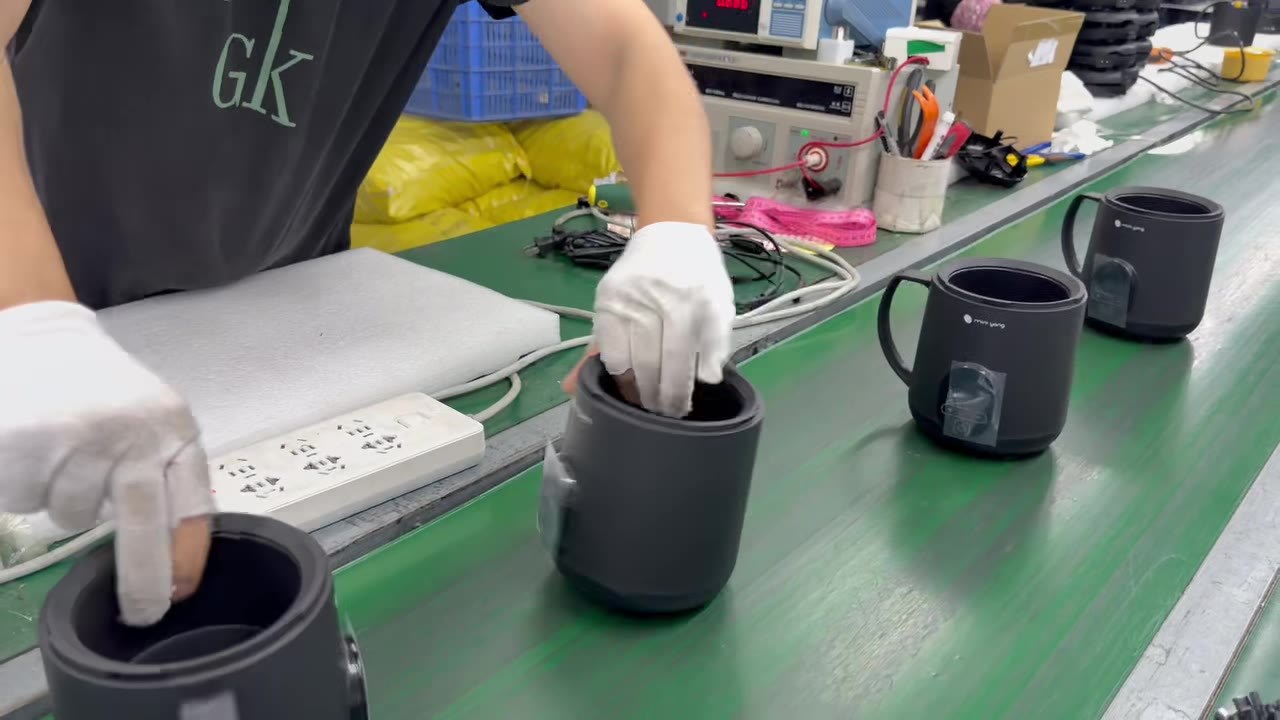


Choose a model or formula from the current range and apply your own branding. Faster and simpler: the tooling, the specification and the test records already exist, so the project focuses on colour, packaging, labelling and the order terms.
Where the product itself has to change — a different shell, a new capacity, a new control layout or a reformulated wax — we develop to a written brief. Longer timeline, higher minimum quantity, and the specification belongs to the project once agreed.
Each step ends with something written down. That is deliberate — it is what keeps the approved sample and the production batch from drifting apart.
We turn your requirement into a written specification: product, format, target market, electrical or pack configuration, quantity band and the documentation you need. Anything unclear gets resolved here rather than at sampling.
You receive pricing against that specification, with the MOQ that actually applies to your configuration, the tooling position if relevant, the lead time and the payment and shipment terms.
Samples are produced against the specification. Evaluate them in your own conditions, with your own equipment or gel system, for long enough to form a view. Approval is recorded against the sample you tested.
Pack format, fill weight or carton configuration, artwork, manual, labelling content and language set are finalised and proofed before production begins. This is the step where changing your mind is still inexpensive.
Production runs to the approved specification. In-process checks and pre-shipment inspection are carried out, and a retention sample is kept from the batch that actually ships.
Your logo, artwork, model naming and packaging design applied to the product and its carton.
Shell colours for devices, wax colour and bead format for formulations, agreed against a reference or Pantone code.
Retail boxes, manuals, labels, sachets, jars, tubs and cartons — dimensioned and proofed before production.
Specification sheets, ingredient declarations, test reports and declarations confirmed for the destination market.
Incoming component inspection, in-process checks, pre-shipment inspection and retention samples from the shipped batch.
Carton configuration, palletisation and shipment terms discussed against your delivery schedule.
Warranty process, spare parts planning and replacement logistics agreed before the order rather than after a failure.
MOQ is rarely one number. Ask for each of these separately so the figure you plan against is the figure that will apply.
| Scope | What changes | How the minimum is set |
|---|---|---|
| Standard product | Existing model or formula, standard colour, standard packaging | Base minimum for the product line, quoted per model |
| Custom colour | Shell or wax colour changed to a reference you supply | Higher minimum, driven by the material or paint batch size |
| Private-label packaging | Your artwork, box, manual and labelling | Depends on the pack format and the print run; agreed per project |
| New tooling | New shell or part that does not exist in the current mould set | Amortised over order quantity; exclusivity terms stated in the quotation |
| Reformulation | Formula developed or changed to your requirement | Minimum quantity for development and production agreed separately |
Minimum quantities, tooling ownership, exclusivity and lead times are recorded in the quotation for each project. Where a project funds tooling, the terms are set out in writing before the order is placed.
OEM applies your brand to a product that already exists — faster, lower minimums, and the specification is already documented. ODM changes the product itself, which requires development, new tooling in most cases, longer sampling and a higher minimum quantity.
Timing depends on the scope. OEM projects with existing tooling and standard packaging move fastest; projects involving new tooling, a new formulation or a full compliance scope take considerably longer. We confirm an indicative timeline with the quotation and update it when the scope changes.
Yes. Artwork is proofed against the pack format before production, including the labelling content and language set required for your market. Changes after production begins are expensive, which is why the proofing step exists.
This is agreed per project and stated in the quotation. Where a project funds tooling, ownership and exclusivity terms are recorded in writing before the order is placed.
We provide the specification sheets, declarations and test reports we hold for the model and market concerned, and we tell you what is available before you commit. Confirming that the set satisfies your market requirements remains a decision for you or your local adviser.
The warranty process, the party responsible for freight and the spare parts you should hold are agreed before the order. We would rather discuss this at quotation stage than after a failure.
Repeat-order arrangements are discussed case by case and depend on the model, the packaging and your expected volume. Tell us your forecast so we can comment on what is practical.
You do not need a finished brief to start. Tell us what you are trying to sell, to whom, in what quantity, and we will help turn it into a specification you can price and sample against.