
 3 min
The Complete Guide to AI Nail Lamps for Beauty Brands and Distributors
A practical B2B guide to camera-guided nail recognition, targeted UV/LED illumination, sample testing and compliance documentation.
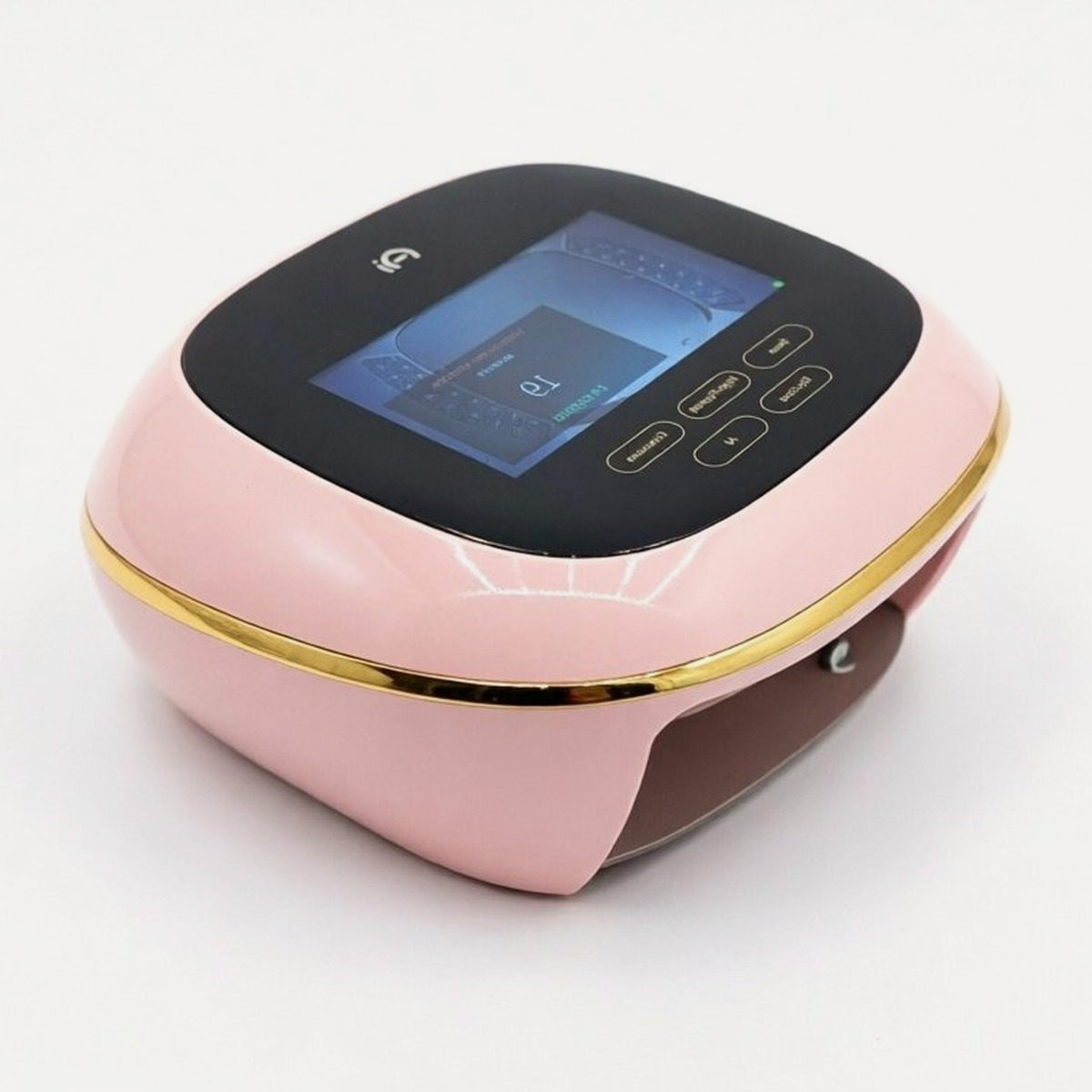
Read article"AI nail lamp" is used loosely in the market. In practice the term describes a specific architecture: a camera that reads the hand, on-device processing that locates nails, and a controller that maps those positions to LED zones. Understanding that chain lets you ask better questions and spot the products that simply added a sensor for marketing.
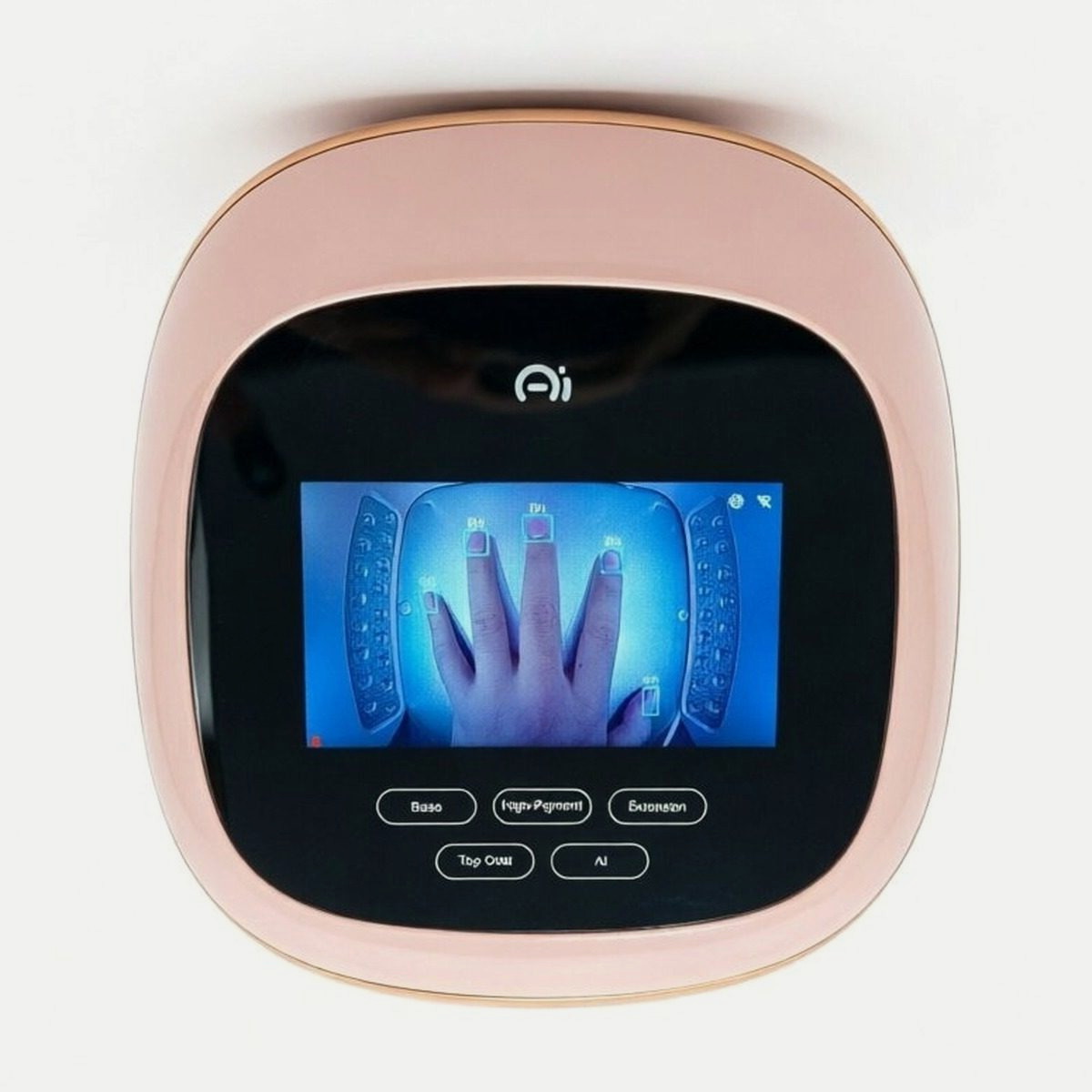
A camera captures the hand. On-device processing identifies nail contours within the frame. A controller then selects which LED zones to activate. Remove any one of the three and the product is a conventional lamp with an interesting shell.
Ask which part runs where. Processing on the device behaves consistently regardless of a network connection; processing elsewhere introduces latency and dependency. For a salon tool, local processing is the sensible choice.
A published detection time describes how long the system takes to recognise and respond to a hand entering the lamp. It is not a curing time. It is not a measurement of gel cure completion. The two get merged in marketing copy and the result is misleading for buyers.
When you evaluate a lamp, measure the detection behaviour across a range of hand positions — flat, angled, one hand, two hands, someone with darker skin tone, someone with light-reflective adornments. Detection specifications are usually stated under favourable conditions.
A lamp may specify two bands, commonly in the region of 365–370nm and 395–400nm. That describes the emitters. It does not establish that the lamp cures every gel. Photoinitiator systems differ, and a gel that cures well under one configuration may be under-cured under another.
The only meaningful compatibility test is a curing test with the gel products you actually sell, assessed by the method your gel supplier recommends — usually a solvent or abrasion check, not a visual inspection of the surface.
Progressive output ramps energy during the cycle with the aim of managing heat build-up. It is a heat-management approach, and for clients who are sensitive to the exotherm it can make a noticeable difference. It is not a guarantee of pain-free curing, and any copy that says so is overreach.
Evaluate it the way a technician would: on a thick enhancement, with a client who normally complains. That is the scenario where the feature either earns its place or does not.
An LED array can lose output gradually while still appearing to work. A lamp that monitors its own light output and alerts when a threshold is reached gives a salon a reason to check equipment before clients start coming back with service failures.
Note the wording carefully. A maintenance alert is not a measurement of whether gel is fully cured. It is a prompt to service the tool.
Where does the processing run? What are the emitter bands and the array configuration? What is the maintenance alert based on, and what threshold triggers it? Which gel systems have been tested, and with what method? What documentation is available for my market?
A supplier who can answer these without hedging is a supplier worth sampling. A supplier who answers with adjectives is not.
A camera, a processor and a zone controller. Everything else in the AI nail lamp conversation is marketing until you can point at those three.
3 minA practical B2B guide to camera-guided nail recognition, targeted UV/LED illumination, sample testing and compliance documentation.
Read article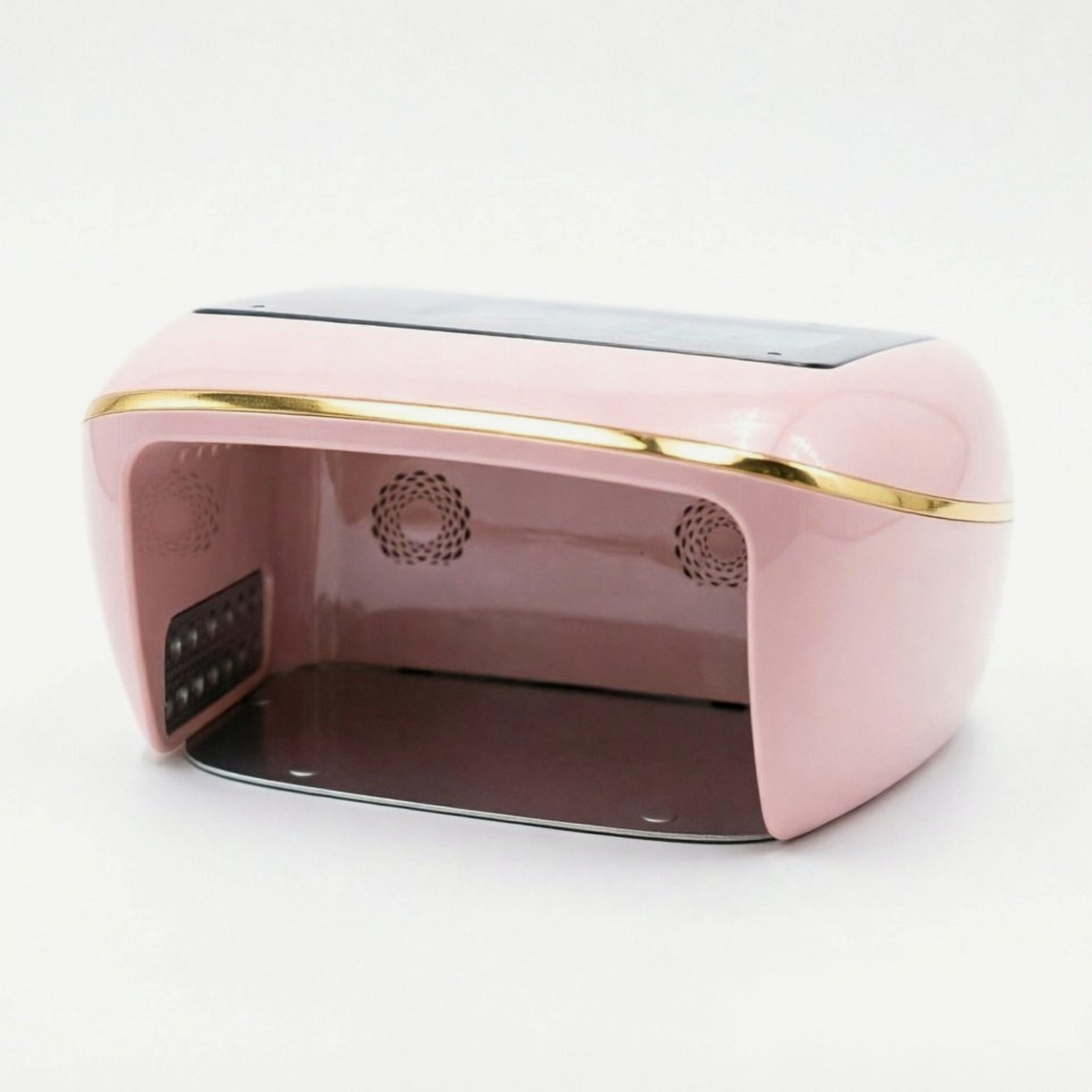 3 min
Compare AI and traditional nail lamps by architecture, total cost and brand value, with a practical OEM/ODM buyer checklist.
Read article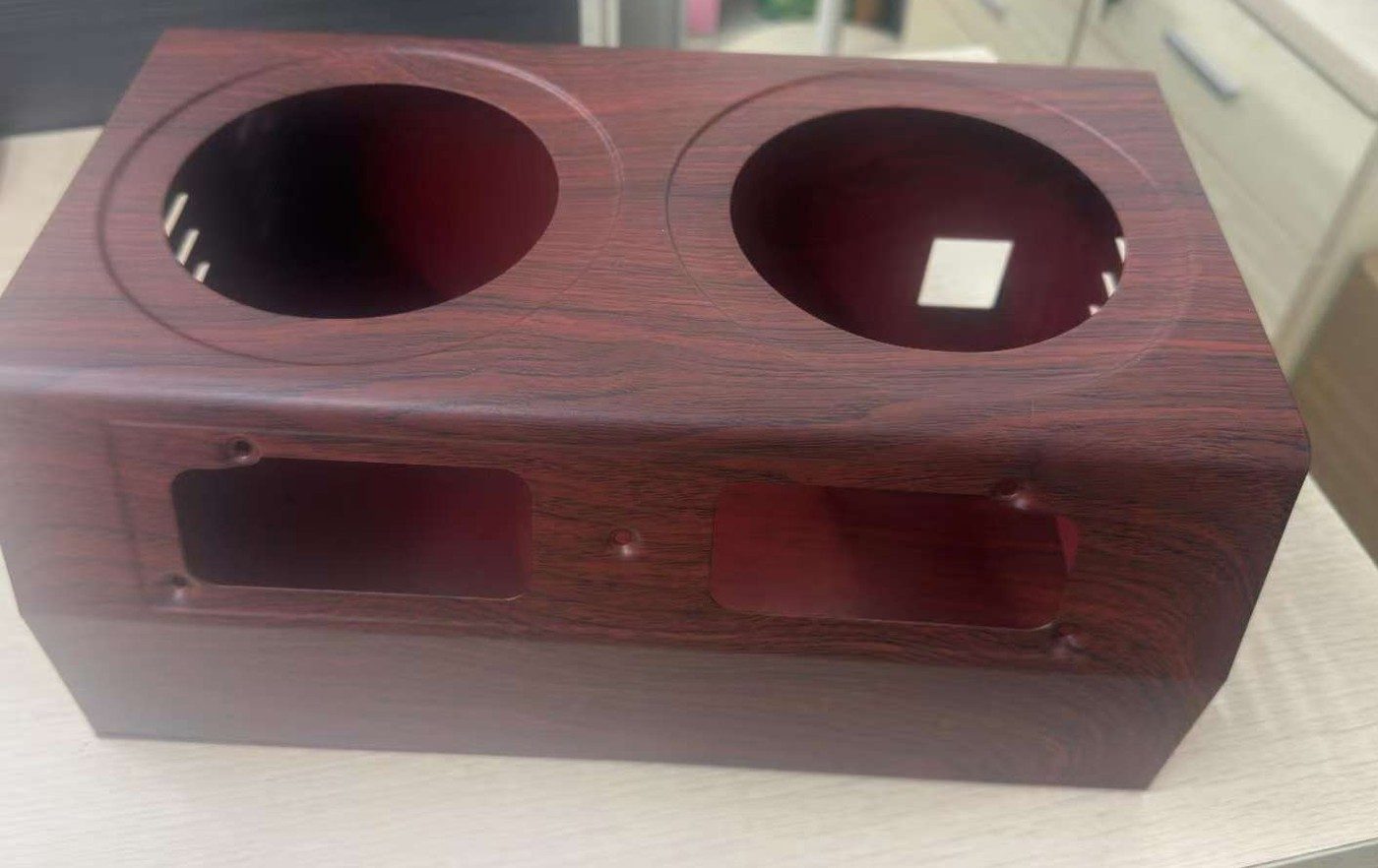 4 min
Why salon owners asked for a wax warmer that looks like salon furniture, and how the wood-grain SW6B dual-pot appearance was shaped face to face with offline salons — same platform, same pots, warmer look.
Read articleSend your question with the product, market and quantity you have in mind. Answers come from the people who specify and produce the goods, not from a script.