Architecture: what is actually different
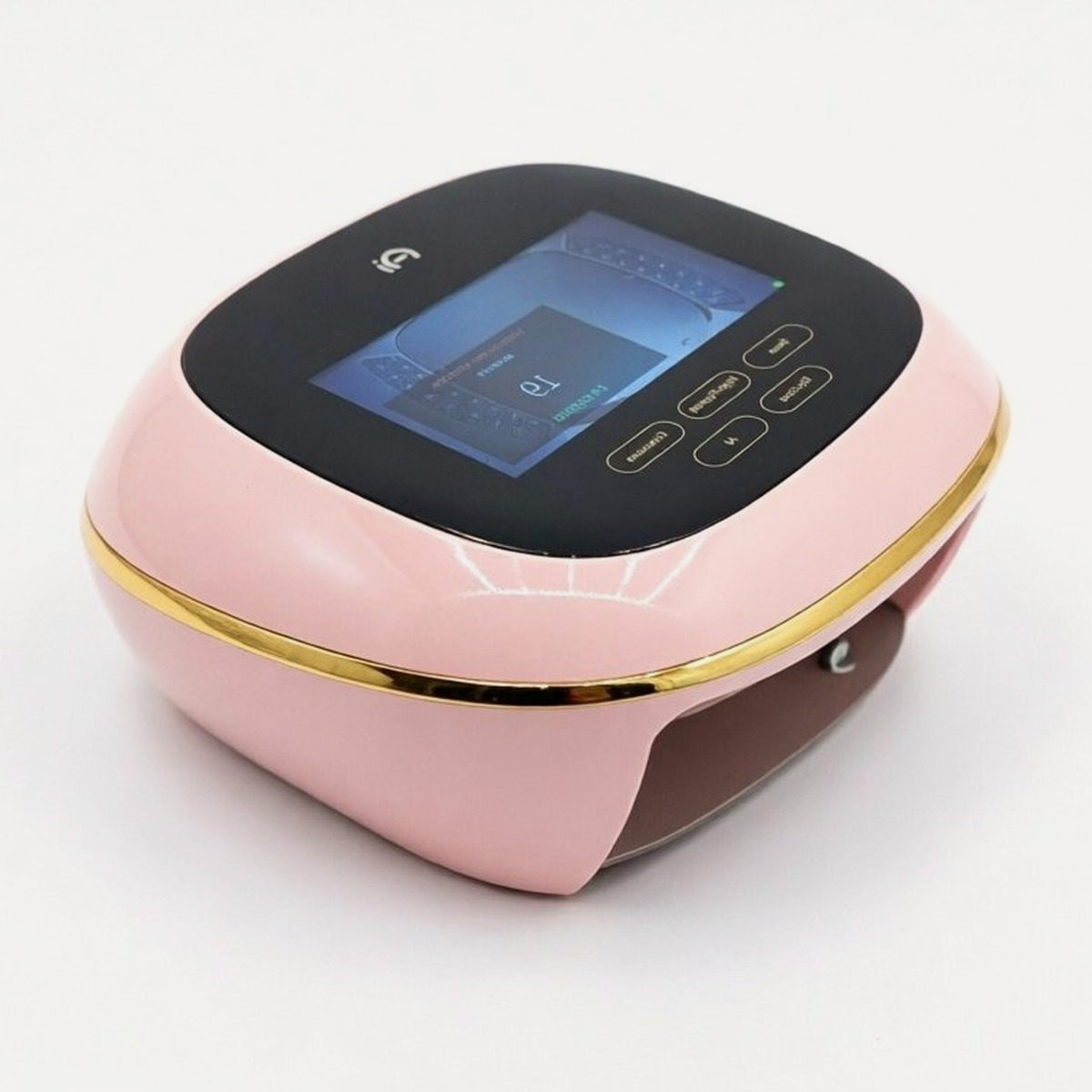
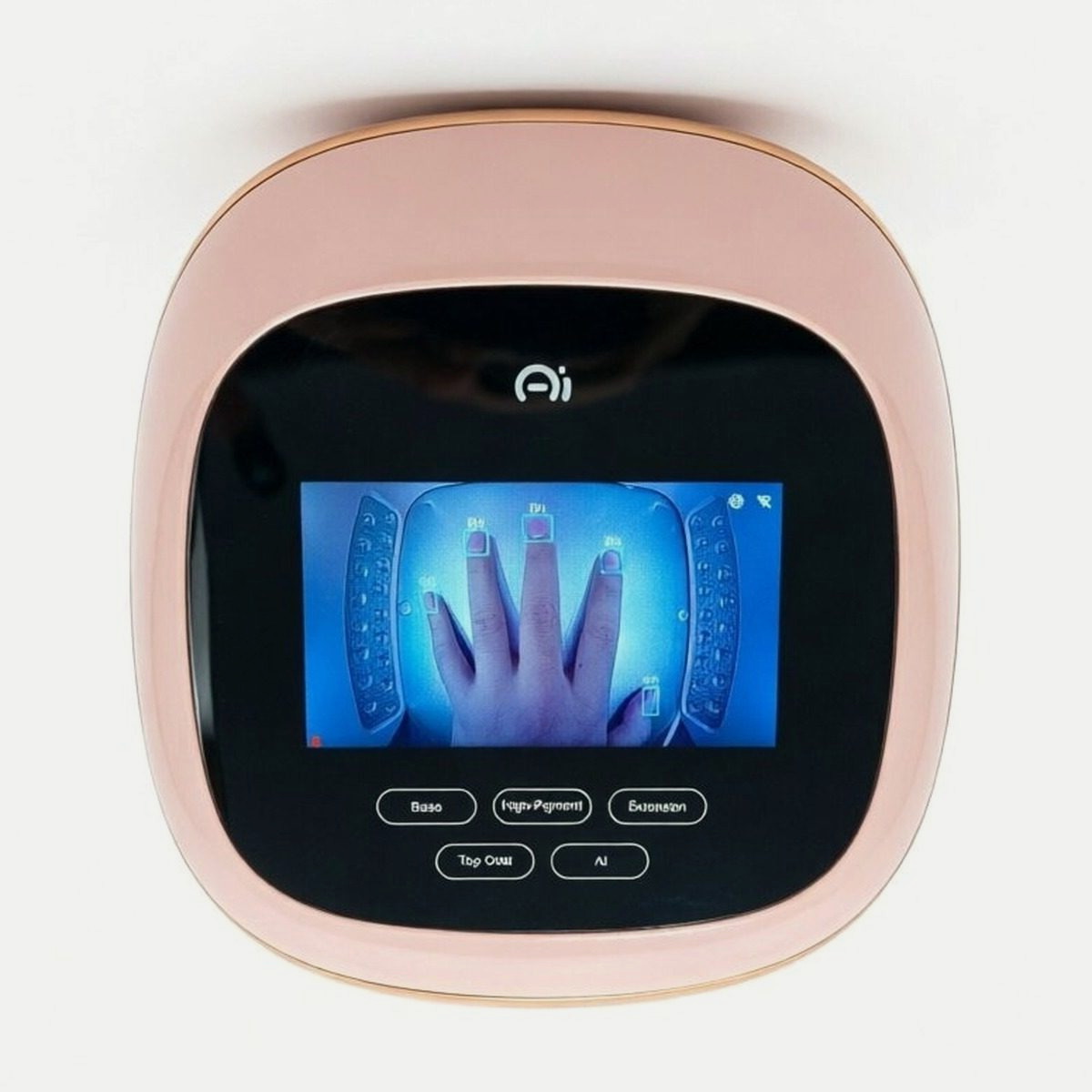
A conventional lamp runs a fixed output across its emitters for a selected cycle. A camera-guided lamp adds image capture, on-device processing and zone-based control of the same emitters, plus typically a richer interface.
So the difference is in the control layer, not the light. That is an important point for your sales story, because it means the benefit is consistency and manageability rather than raw curing power.
Where the extra cost comes from
A camera module, a processor capable of running detection on device, a touchscreen and the software development behind the interface all add bill-of-materials cost. Add the engineering time and the tooling and the unit price gap is easy to explain.
The gap narrows as volume grows, which is why MOQ on camera-guided lamps tends to be higher than on conventional models.
Where the value shows up
In training environments, where a consistent control method is easier to teach. In multi-language markets, where a localised interface reduces support burden. In premium salons, where the tool contributes to how the service is perceived.
It does not show up in a price-led volume channel where the lamp is bought on specification and cost alone.
What does not change
Gel compatibility still has to be established by testing. Cure quality still depends on the gel, the layer thickness and the technique. No amount of camera guidance substitutes for a proper curing test.
Detection specifications are not curing times, and progressive output is not a guarantee of a comfortable cure.
Making the decision
If your channel can demonstrate the product and your customers sell services on quality, the premium is defensible. If not, a well-engineered conventional lamp at a lower price point may serve you better, and there is no shame in that.
Either way, put the numbers on paper: landed cost, expected sell-through, support cost and the warranty process. The comparison is a business calculation, not a technology preference.
The lamp did not get more powerful. It got better at deciding when and where to shine.
In short
- The difference is in the control layer, not the emitters.
- Higher MOQ is a consequence of the added electronics.
- Premium channels benefit; price-led channels usually do not.
- Gel testing remains mandatory either way.
- Decide with a landed-cost and sell-through model.
T
TecoProduct development, BeauTome. Writes on formulation, sourcing and equipment specification for beauty brands.

 3 min