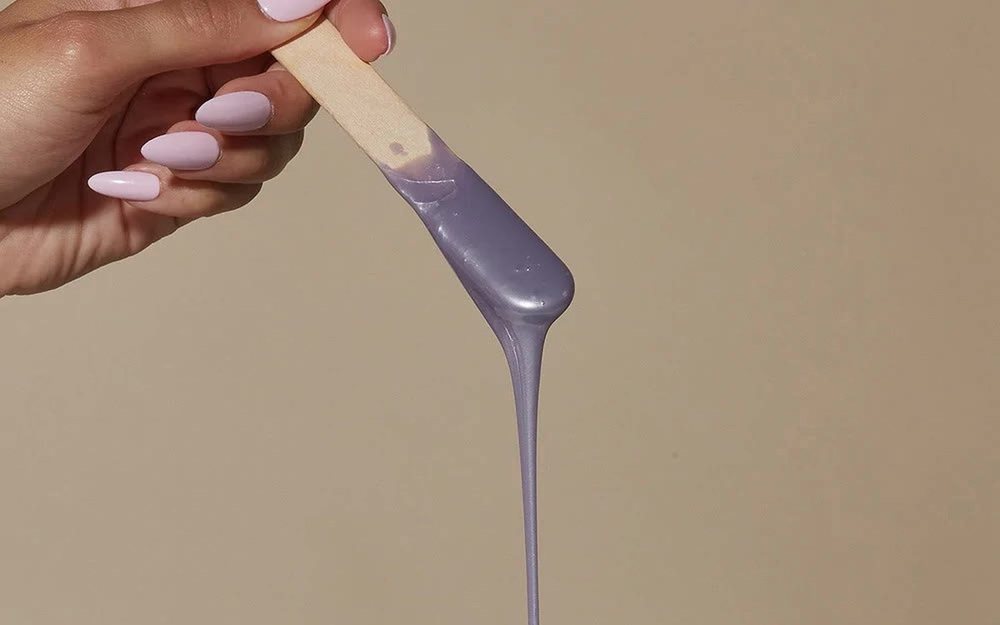
Temperature is the largest single factor
Holding wax hotter than it needs to be increases volatilisation, and more volatile compounds in the air means more noticeable odour. Most treatment-room odour complaints trace back to a heater left on a high setting between clients.
The fix is procedural before it is formulation-based: melt what you need, work at the lowest workable consistency, and turn the heater down or off between services.
Residue and the pot
Wax that has been reheated repeatedly accumulates in the pot, and that residue is where much of the stale smell comes from. Empty and clean pots on a defined schedule rather than when they become visibly soiled.
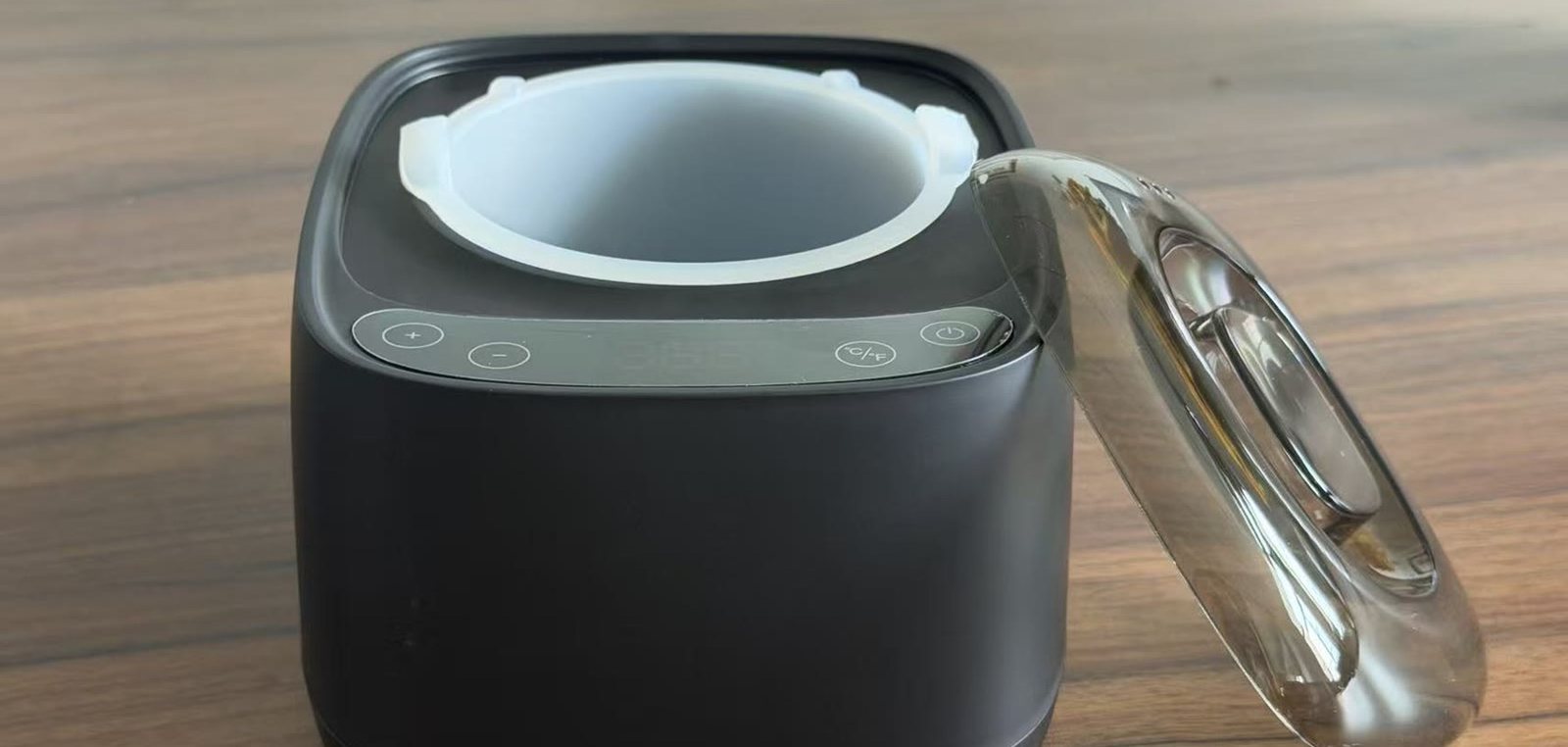
Where the model allows, a removable pot or liner makes this dramatically easier and is worth specifying when you order equipment.
Room conditions you can change today
Airflow matters more than air freshener. A room with no extraction concentrates everything the wax releases. A small extraction fan positioned near the workstation achieves more than any scented product.
Also check what else is in the room. Other products, cleaning chemicals and even the bin contribute to what the client smells when they walk in.
What to look for in a formulation
Scent is a formulation decision, and unscented is not the same as odourless — an unscented wax can still have a characteristic smell when heated. Ask your supplier how the formula behaves at the working temperature, not just at room temperature.
If a supplier claims a low-odour formula, ask on what basis. A meaningful answer describes the comparison and the conditions it was made under.
Testing the claim before you publish it
Heat the wax to your normal working consistency in a room with no extraction, and have two or three people independently describe what they notice over twenty minutes. That is a more useful test than a single sniff at a trade show.
Repeat with your existing product as a control. The comparison is the claim you can actually defend in marketing copy.
Most odour complaints are a heater left on too high between clients, not a formula problem. Fix the process first.
In short
- Reduce heater temperature between services.
- Clean pots on a schedule rather than when they look dirty.
- Prefer extraction over air freshener.
- Remember that unscented does not mean odourless when heated.
- Benchmark any low-odour claim against your existing product.
T
TecoProduct development, BeauTome. Writes on formulation, sourcing and equipment specification for beauty brands.

 3 min