
 3 min
Low-Melting Rosin-Free Hard Wax: A1 for Facial and Bikini Waxing
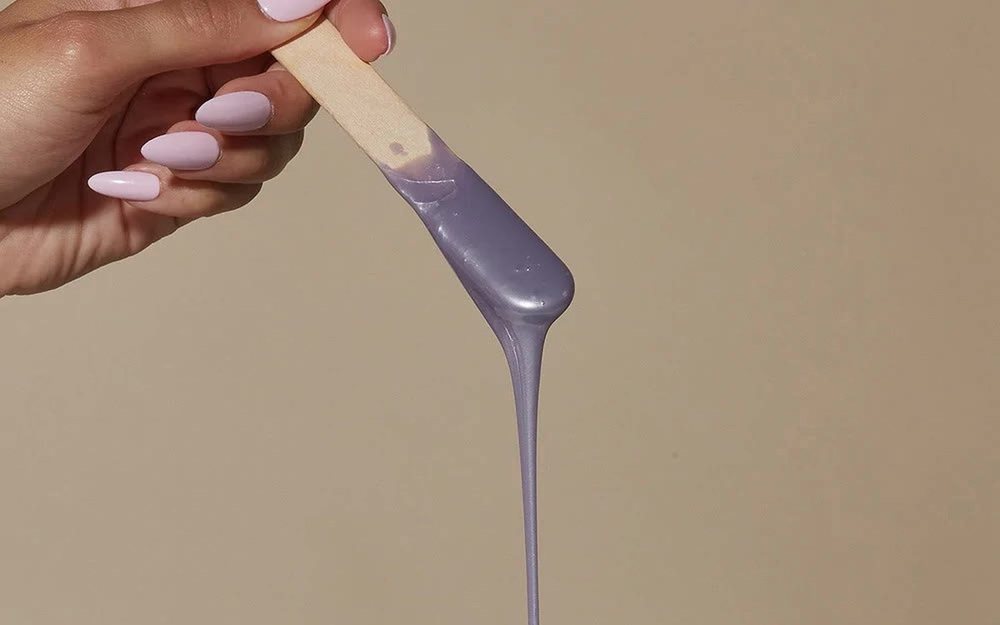
Explore A1 rosin-free hard wax, its 48–50°C melting range, and what beauty brands should check before choosing a formula for facial and bikini waxing.
Read articleA private-label hard wax project succeeds or fails long before the first production run. The brief you write in week one determines whether the sample you approve in week six can actually be reproduced at volume. This guide walks through the sequence we follow with brand owners, and the documents worth having in place at each step.
Most first briefs arrive as a competitor’s ingredient list with a request to "make something similar". That is difficult to price and difficult to approve, because nobody has agreed what the product has to do. A brief that starts from the service is far more workable: which areas are being waxed, how long the technician has per client, whether strip or hard wax is used, and what the studio temperature tends to be.
Once those answers exist, the ingredient conversation becomes a set of trade-offs rather than a shopping list. Rosin-free positioning, scent, colour, bead size and setting behaviour can each be discussed against a defined performance target.
Write down what "approved" means while you are still neutral about any particular sample. Useful criteria include how the wax spreads at the working temperature, how the film looks when it is ready, how it comes away, how much product a typical service consumes, and how the wax behaves on the third reheat.
Quantify where you can. "Consumption per service under 12g" is a criterion. "Feels professional" is not, and it will cause arguments later when two people in the same room disagree about the same sample.
Send the same brief to more than one formula option where possible, and evaluate them blind if your team can manage it. Score each sample against the criteria you wrote down, on the same day, in the same room conditions, using the same heater.
Keep the leftover sample. A tube of wax in a drawer with the date and the batch on it is the single most useful artefact when a production batch later needs to be compared against what was originally approved.
Packaging is where private-label projects most often lose time. Confirm the pack format, fill weight, labelling content, barcode responsibility, language set and carton configuration before artwork begins, not after. If your market requires a specific ingredient declaration format or a responsible-person address, that has to reach the artwork brief on day one.
The approved specification sheet should list the formula code, fill weight, pack format, labelling requirements, carton configuration and the sample reference. Everything downstream — quotation, production, inspection — is checked against that document.
Ask what changes between the sample and the production batch. Batch size affects mixing, and mixing affects texture. A supplier who can explain the difference between a laboratory sample and a production batch is more useful than one who simply promises they will be identical.
Agree the inspection points, the retention sample arrangement and the documentation that ships with the order. Then hold a first-article review on the first production batch before the full quantity is packed.
A private-label project is a documentation exercise with a product attached. The brands that move fastest are the ones with the clearest written criteria.
3 minExplore A1 rosin-free hard wax, its 48–50°C melting range, and what beauty brands should check before choosing a formula for facial and bikini waxing.
Read article 3 min
Plan a controlled rosin-free hard wax salon trial. Compare handling, consumption and training needs with a practical scorecard.
Read article 3 min
Formulation choices, sample testing, supplier qualification, regulatory readiness, total cost and OEM production approval.
Read articleSend your question with the product, market and quantity you have in mind. Answers come from the people who specify and produce the goods, not from a script.